.png)
Gum Disease: Signs, Prevention & Treatment
What is gum disease?
Gum disease develops when plaque and bacteria build up around the teeth and gumline.
In its early stage this causes gingivitis — gums that are inflamed, swollen or bleed easily. Gingivitis is usually reversible once the plaque is removed and your home care improves.
If it progresses it can become periodontitis, which affects the tissue and bone that hold your teeth in place. "Pockets" form between teeth and gums where bacteria collect, gums can recede, and over time the supporting structures are damaged.
Why gum disease is called a "silent" problem
It usually doesn't hurt. It's easy to assume that a pain-free mouth is a healthy one, but gum disease can progress a long way without the kind of toothache that sends people straight to the dentist.
The Australian Dental Association specifically flags bleeding gums as a warning sign — not something to accept as normal.
Signs to look out for
- Bleeding when brushing, flossing or eating
- Red, swollen or tender gums
- Persistent bad breath
- Gums receding or pulling away from teeth
- Sensitivity around exposed roots
- Changing gaps between teeth
- Teeth that feel loose
- Pain or discomfort when biting
Advanced periodontitis can lead to loose teeth and, in some cases, tooth loss. Even minor symptoms are worth mentioning at your next check-up and clean.
"But my gums always bleed when I floss…"
We hear this a lot. Bleeding is not a reason to stop cleaning between your teeth — it's usually a sign the gums there are inflamed. The important thing is finding out why. Your dentist or oral health therapist can find where plaque and calculus are collecting and recommend a routine that suits your mouth.
How we check your gum health
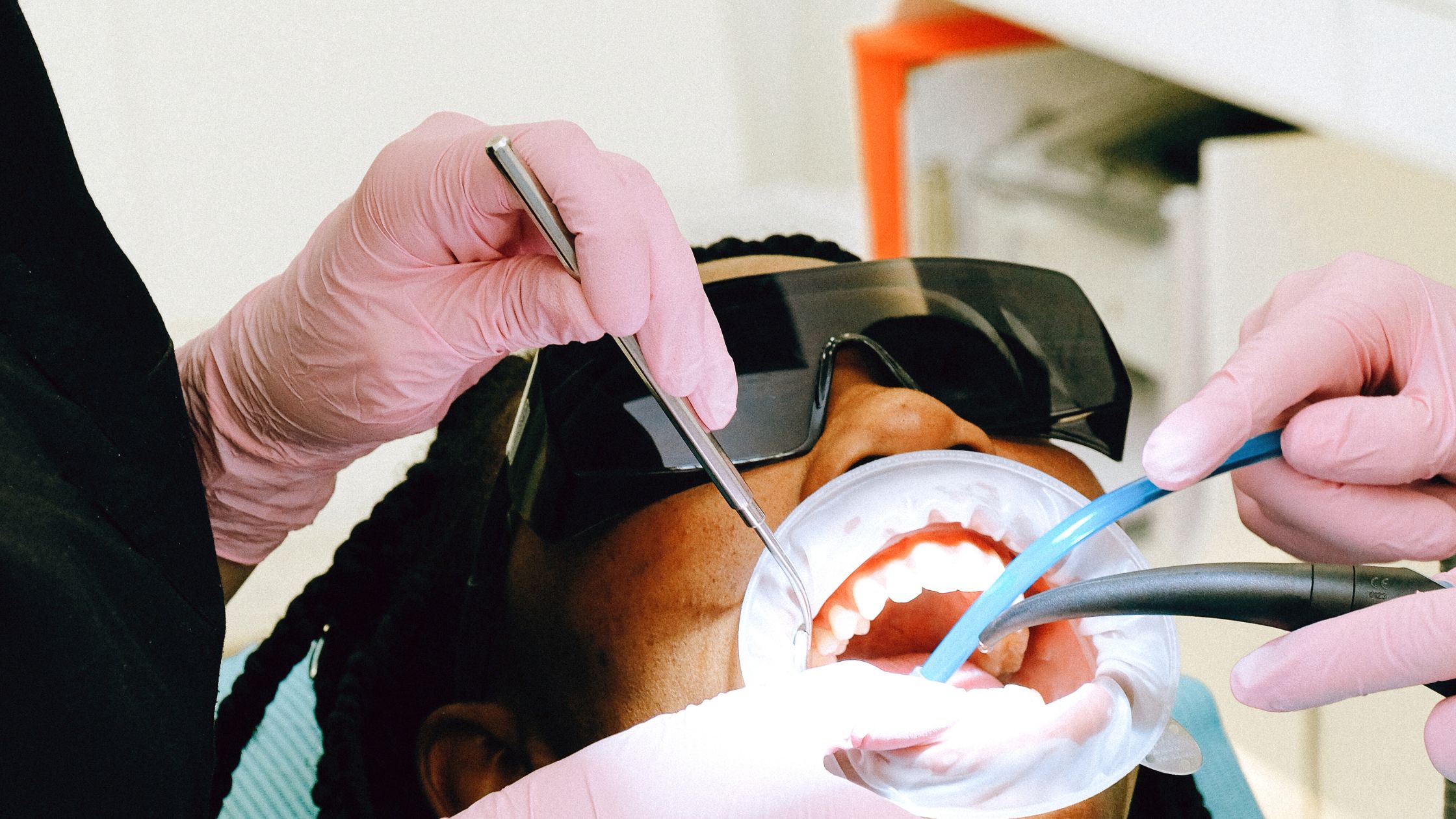
A check-up isn't only about looking for holes. We assess your gums and the structures supporting your teeth — measuring around the gums, checking areas of inflammation and reviewing what's changed since last time. That helps us catch changes early and decide whether routine professional cleaning is enough or your gums need some extra attention.
Can you prevent gum disease?
Brush thoroughly
Twice a day, paying attention to where the teeth meet the gums.
Clean between your teeth
Floss, interdental brushes or another tool we recommend — a toothbrush can't reach every surface.
Don't ignore bleeding
If you regularly see blood in the sink, raise it at your next appointment.
Keep up with dental visits
Professional cleans remove the deposits you can't, and give us the chance to monitor changes. What you eat plays a part too — see how your diet affects your teeth.
Healthy teeth need healthy foundations
It's easy to focus on the visible part of your smile, but your gums are literally its foundation — and there's a strong link between gum health and your general health. Early changes can almost always be addressed before they become bigger problems.
So if your gums bleed, feel swollen, or simply haven't been checked in a while, consider this your reminder.
Worried about your gums?
Book online with the Tidy Tooth team in Broulee or Batemans Bay, or get in touch if you'd rather talk it through first. New to us? Start with our new patients page.
Sources: Australian Dental Association (teeth.org.au) · healthdirect — gum disease
This article is general information only and isn't a substitute for individual dental advice. Your dentist or oral health therapist can assess your mouth and recommend what's right for you.